Frequently Asked Questions
General Questions
What makes Goluwe products unique?
Our products are ethically sourced from West African cooperatives, lab-certified, and 100% natural. We focus on pure, unrefined ingredients like shea butter and African black soap for authentic benefits.
Are Goluwe products suitable for sensitive skin?
Yes, most are gentle and free from harsh chemicals. However, perform a patch test, especially for balms or soaps. Consult a dermatologist if you have allergies.
Do your products expire?
Shelf life varies: butters like shea (2-3 years), soaps (1-2 years), botanicals like hibiscus (1 year). Store in cool, dry places to extend life.
Can I use these products during pregnancy?
Many are safe, like shea butter for stretch marks. Avoid strong balms like Aboniki if sensitive to scents. Consult your doctor.
Are Goluwe products vegan and cruelty-free?
Yes, all are plant-based, no animal testing. Some contain honey (e.g., in soaps), so check labels if strictly vegan.
Shea Butter FAQs
What is shea butter?
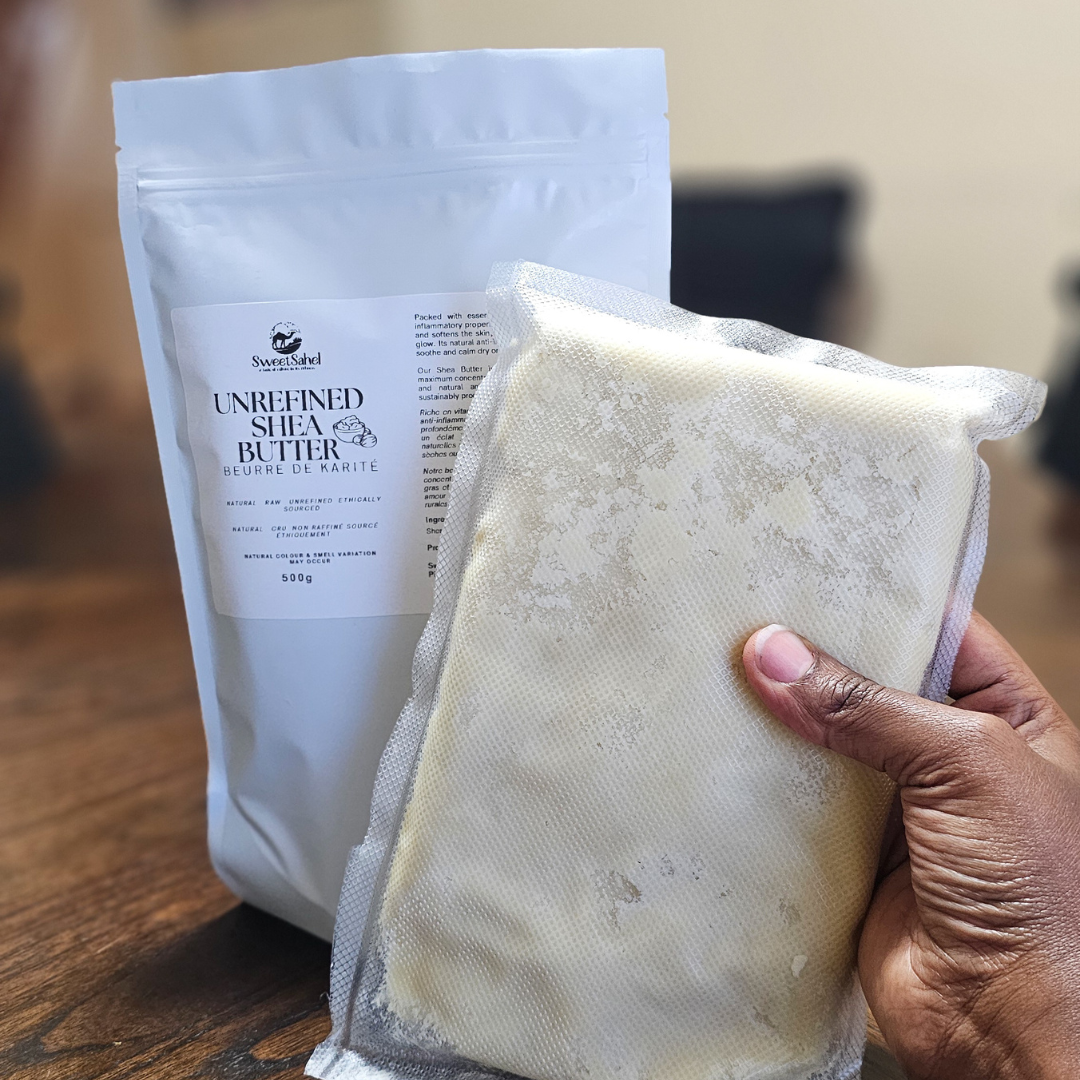
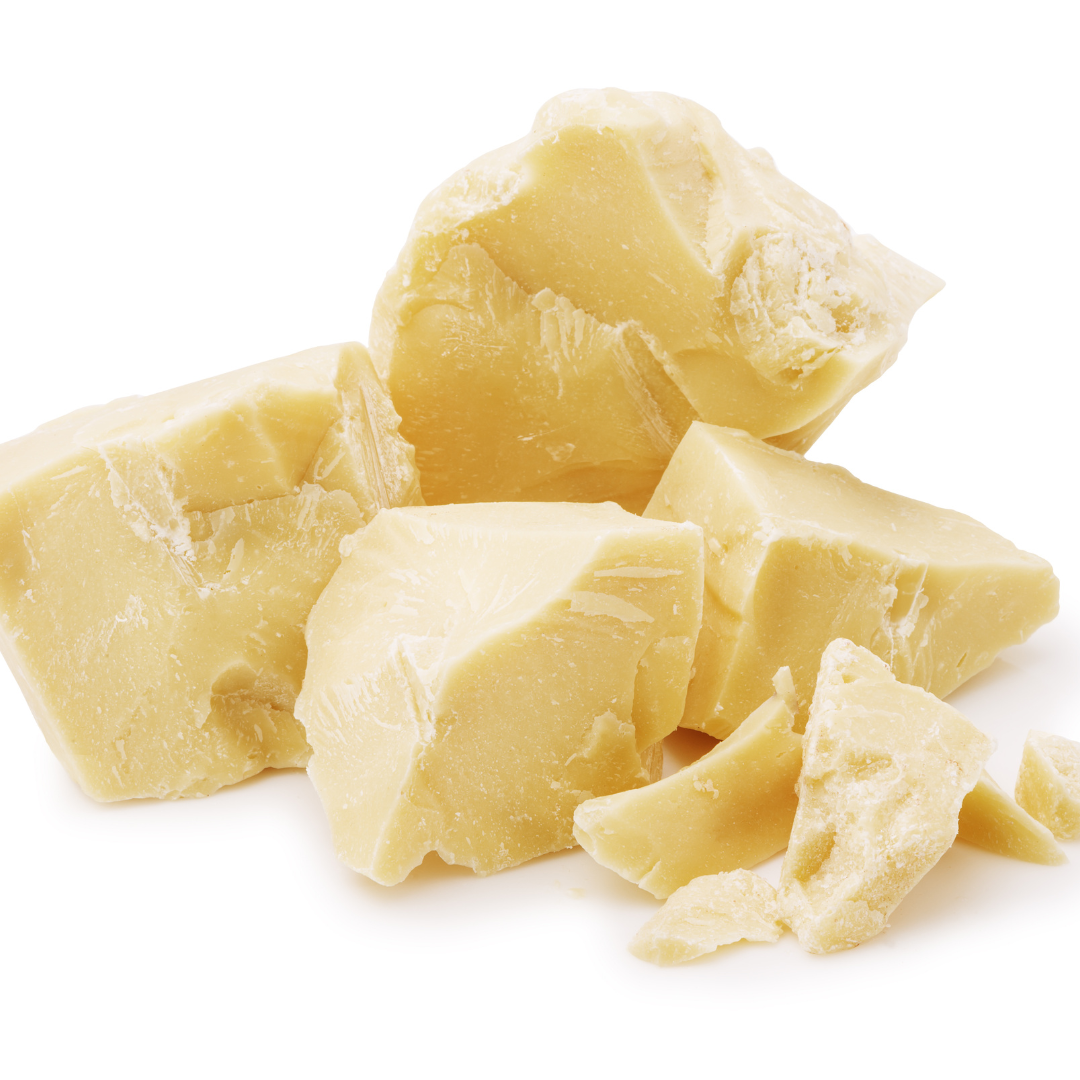
Shea butter is a fat extracted from the nuts of the shea tree, native to West Africa. It's rich in vitamins A, E, F, and fatty acids for moisturizing and healing skin.
Raw vs. refined shea butter?
Raw (unrefined) retains more nutrients and healing properties; refined is processed, losing some benefits but odorless/white. Goluwe offers raw for maximum efficacy.
Does shea butter clog pores?
Raw shea is non-comedogenic (rating 0-1), suitable for acne-prone skin if pure. Test on a small area.
Benefits for skin?
Moisturizes dry skin, heals eczema/psoriasis, reduces scars/stretch marks, anti-aging, UV protection (SPF 6-10), soothes burns/allergies.
Safe for nut allergies?
Shea is a seed, not a nut, but consult a doctor if allergic to latex (contains trace amounts).
Shelf life?
3-4 years if stored cool/dry. Signs of spoilage: rancid smell, mold.
How to use?
Apply directly to skin/hair, whip into body butter, mix in DIY masks/creams. Warm in hands to melt.
Cocoa Butter FAQs
What is cocoa butter?
Fat from cocoa beans, used in chocolate and skincare. Composed of fatty acids like oleic, stearic, palmitic.
Benefits for skin?
Deep moisturizer, protects barrier, fights aging with vitamin E, soothes rashes/eczema, heals chapped lips, may reduce stretch marks.
Does it cause acne?
Comedogenic rating 4; may clog pores for oily/acne-prone skin. Use sparingly or test.
How to use?
Rub on dry areas (melts at body temp), in body butters, lip balms, or DIY recipes.
Side effects?
Rare; may cause breakouts or hormonal issues (anti-estrogenic in studies). Spot test for allergies.
Mango Butter FAQs
What is mango butter?
Fat from mango seeds, similar to shea/cocoa but lighter. Rich in oleic acid, vitamins A/C/E.
Benefits for skin?
Deep moisturizer without greasiness, anti-aging, heals scars/stretch marks, non-comedogenic, good for acne-prone/dry skin.
Texture and melting point?
Smooth, melts at 86°F (30°C); softer than shea. Store at room temp; refrigerate if melted.
Shelf life?
1 year; signs of spoilage: rancid smell.
How to use?
Direct on skin/hair, in body butters, balms. Mix with oils if too firm.
African Black Soap / Dudu Osun FAQs
What is African black soap?
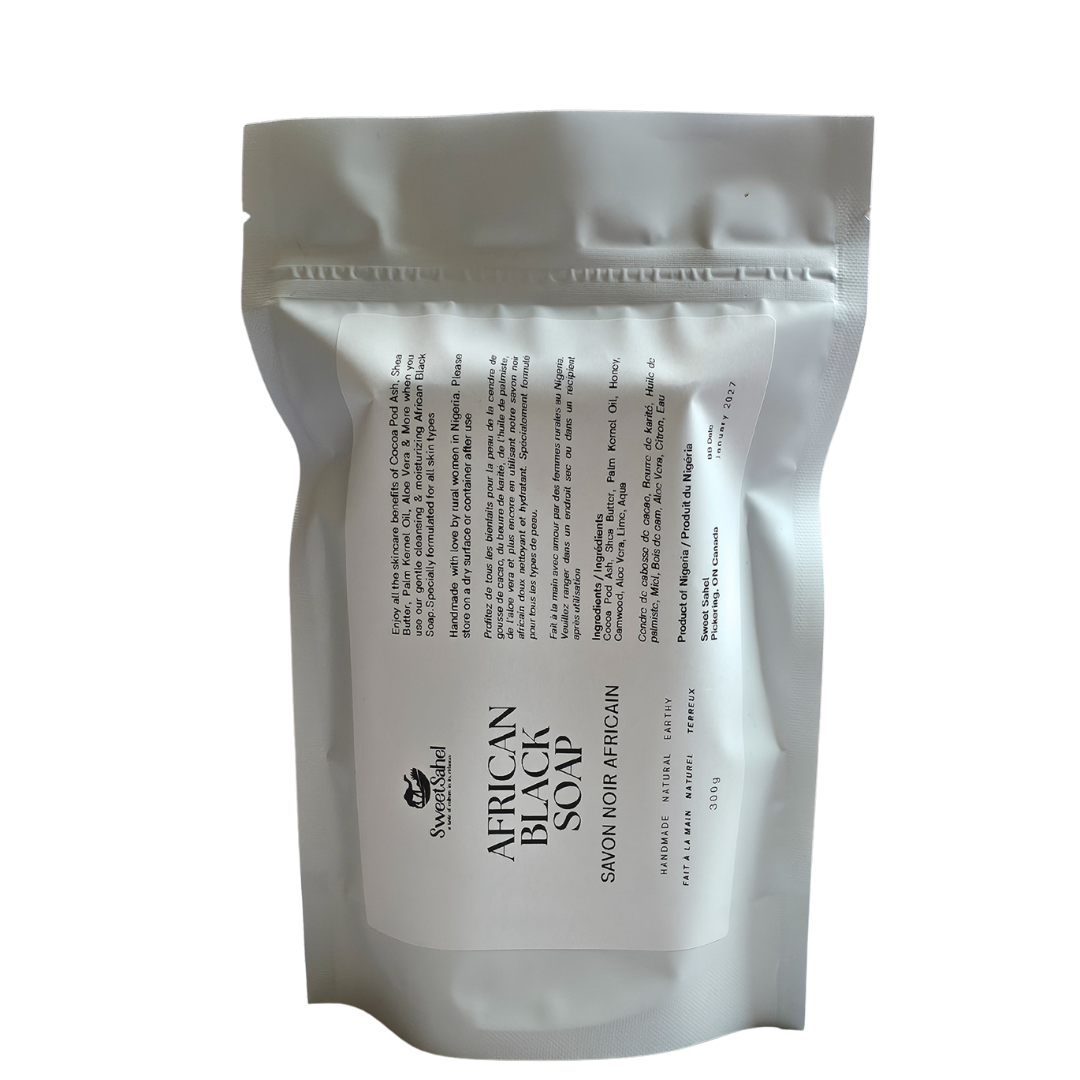
Handmade in West Africa from roasted plantains, cocoa pods, palm leaves, shea bark; mixed with oils. Brownish-black, soft, earthy smell.
Benefits?
Deep cleanses, exfoliates, treats acne/eczema/psoriasis, evens tone, antibacterial, suitable for all skin types.
Does it lighten skin?
Yes, by exfoliating dead cells, reducing dark spots; vitamins A/E help brighten naturally.
Does it expire?
No formal date; lasts indefinitely if dry. Mold if wet; store properly.
Safe for face?
Yes, but dilute if drying. Use as mask for acne; lather gently.
White spots or hard pieces?
White film normal on dry soap; dissolves when wet. Hard pieces from bark; lather in hands or make liquid.
Dudu Osun specifics?
Fragranced variant; good for acne but may dry skin. Use moisturizer after.
Aboniki Balm FAQs
What is Aboniki balm?
Herbal ointment for pain relief; contains menthol, camphor, methyl salicylate, eucalyptus/clove oil.
Uses?
Muscle/joint pain, headaches, congestion, colds. Apply topically; inhale for respiratory relief.
Benefits?
Fast relief, reduces inflammation, improves circulation, natural ingredients.
Side effects?
Skin irritation, allergies, burning. Avoid eyes/open wounds; patch test. Not for pregnant/children without advice.
How to use?
Rub on affected area; for colds, apply to chest or inhale steam mix.
Hibiscus Leaves FAQs
What are hibiscus leaves?
Dried leaves from hibiscus plant; used in teas, skincare, haircare.
Benefits for skin?
Boosts collagen, retains moisture, exfoliates, brightens tone, fights radicals, reduces inflammation/acne, detoxes.
How to use in skincare?
As tea for internal benefits; infused in oils/masks for topical anti-aging, exfoliation.
Health benefits?
Antioxidants, lowers BP/cholesterol/sugar, aids weight loss, fights inflammation.
Recipes?
Hibiscus tea: Steep leaves in hot water. For skin: Mix powder in face mask with yogurt/honey.
Tigernuts FAQs
What are tigernuts?
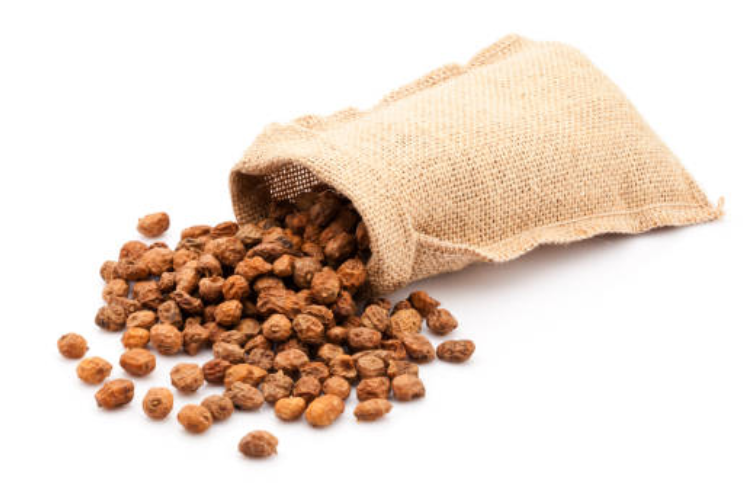
Tubers (not nuts); nutty/sweet flavor, high in fiber/resistant starch.
Health benefits?
Prebiotic for gut health, aids digestion, lowers blood sugar/cholesterol, antioxidants, heart health, weight management.
Allergen-free?
Yes, nut/gluten-free; paleo/AIP compliant.
How to eat?
Snack raw (soak if tough), in smoothies, milk, flour for baking, trail mix, salads.
Shelf life?
1 year; store dry. No expiration but check for mold.
Recipes?
Tigernut milk: Blend soaked nuts with water. Flour in gluten-free baking. Banana bars, energy bites.